

The Origins of Wool
The use of wool dates back over 10,000 years, when early societies began domesticating sheep in Central Asia and the Middle East. Unlike animal skins, wool could be shorn from sheep annually, spun into yarn and woven into textiles.
As wool production spread over Europe, it became central to trade and craftsmanship. The Romans introduced advanced sheep breeding and textile techniques to Britain, recognising the island’s ideal climate for raising sheep. Over time, Britain developed a reputation for producing some of the finest wool in the world.
Britain’s Wool Heritage
By the Middle Ages, wool was the backbone of the English economy. English fleece was exported across Europe, particularly textile centres in northern Belgium and Italy. The wealth generated by wool merchants was so significant that the Lord Speaker of the House of Lords still sits on the historic “Woolsack”, a symbol of wool’s importance to the nation.
The Industrial Revolution later transformed the wool industry. Innovations in spinning and weaving allowed mills in Yorkshire and northern England to produce fabrics at scale, while reducing costs and maintaining qualities. Many of these historic textile regions continue to produce world class wool fabrics today.
The Journey from Sheep to Garment
The creation of wool garments involves several stages of craftsmanship:
Step 1. Shearing: Sheep are carefully shorn, typically once a year.
Step 2. Scouring: The raw fleece is cleaned to remove impurities.
Step 3. Carding & Spinning: Fibres are disentangled and spun into yarn.
Step 4. Weaving or Knitting: Yarn is transformed into fabric or knitwear.
Step 5: Finishing and Tailoring: The final stage where fabric becomes garments.
Lambswool and Premium Yarn Spinners
One of the most prized forms of wool used in knitwear is lambswool. Lambswool is taken from a sheep’s first shearing, producing fibres that are softer and more resilient than standard wool.
For knitwear, quality begins with the yarn. Renowned British Z. Hinchliffe & Sons has been producing premium wool yarns in Yorkshire since the 18th century. Their lambswool yarns are celebrated for their colour and softness, making them ideal for classic knitwear.
The Craft of British Woollen Fabrics
While knitwear begins with yarn, tailored jackets and suits rely on expertly woven cloth. Several historic mills continue to uphold Britain’s reputation for producing some of the finest fabrics available.
Alfred Brown, established in Yorkshire in 1915, is renowned for its classic worsted cloths used in tailoring. Their fabrics are prized for their structure, durability and refined finish, making them well suited for elegant jackets.
Traditional Irish craftsmanship is represented by Molloy & Sons, a family run Donegal mill known for its distinctive tweeds. Their fabrics feature the colourful flecks and textured character that define authentic Donegal weaving.
Meanwhile, Marton Mills continues the strong tradition of Yorkshire wool production. Their versatile wool fabrics combine heritage weaving techniques with contemporary colours and patterns, making them ideal for modern outerwear and jackets.
Why Wool Remains the Gentleman’s Fabric
Despite the rise of synthetic materials, wool remains unmatched for natural performances. It’s unique fibre structure offers several advantages. From breathability to insulation to durability, these qualities explain why wool has remained the foundation for quality menswear for centuries.
Continuing the Tradition
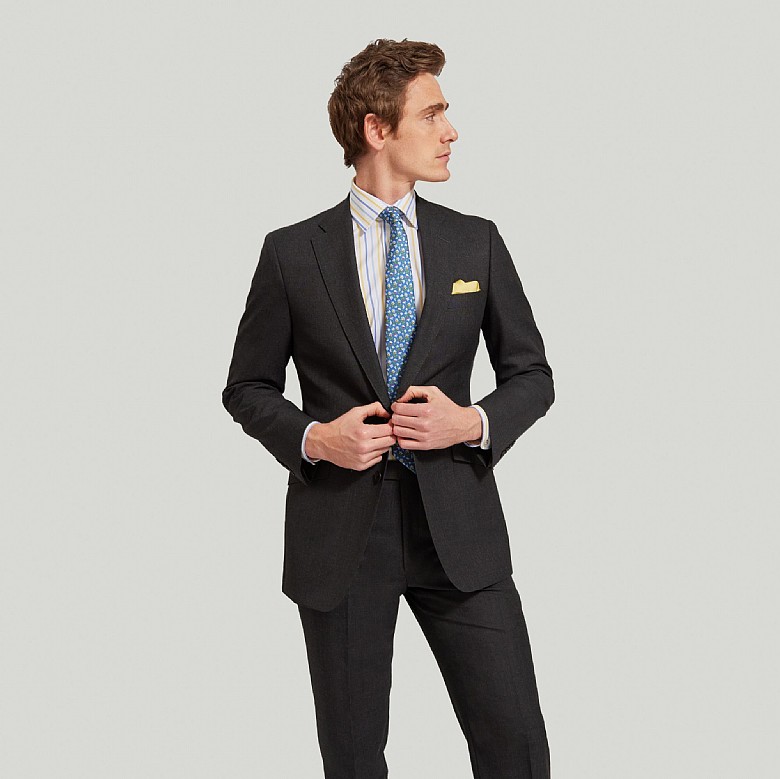
From ancient shepherds to modern textile mills, wool’s journey spans thousands of years of craftsmanship and innovation. Today, by working with respected spinners and fabric mills including Alfred Brown, Molloy & Sons, Z. Hinchliffe and Marton Mills, traditional wool expertise continues to shape contemporary garments.
The result is clothing that honours Britain’s textile heritage while delivering quality and longevity that wool has always promised.