

.png)
The Art of Tailoring: What Makes a Perfect Fit?
Why Fit Matters in Menswear
Tailoring has the power to transform simple cloth into garments that feel comfortable, structured and refined. A perfect fit is not only about measurements. It is about balance, proportion, movement and how a garment sits on the individual.
At Harvie & Hudson, our approach to menswear is rooted in Jermyn Street heritage, quality fabrics and timeless British style. Whether choosing a suit, jacket, trousers or shirt, fit is what brings the garment to life.
The Foundations of Tailoring
A beautifully tailored garment begins long before it is worn. The process combines measurement, pattern, fitting and finishing to create clothing that works with the body rather than against it.
Accurate Measurements
Measurement is the cornerstone of tailoring. A skilled tailor considers body proportions, posture and natural asymmetries to ensure the garment flatters the wearer while allowing comfort and movement.
Pattern and Proportion
Pattern making turns measurements into a garment blueprint. Precision is essential, as the pattern determines how the cloth will sit, drape and move once made.
Fitting Sessions
A fitting allows the shape to be refined. Adjustments are made not only for appearance, but also for comfort, posture and ease of movement.
Finishing Details
The final details, from sleeve length to trouser break and jacket balance, determine whether a garment feels merely wearable or truly refined.
What Makes a Suit Fit Well?
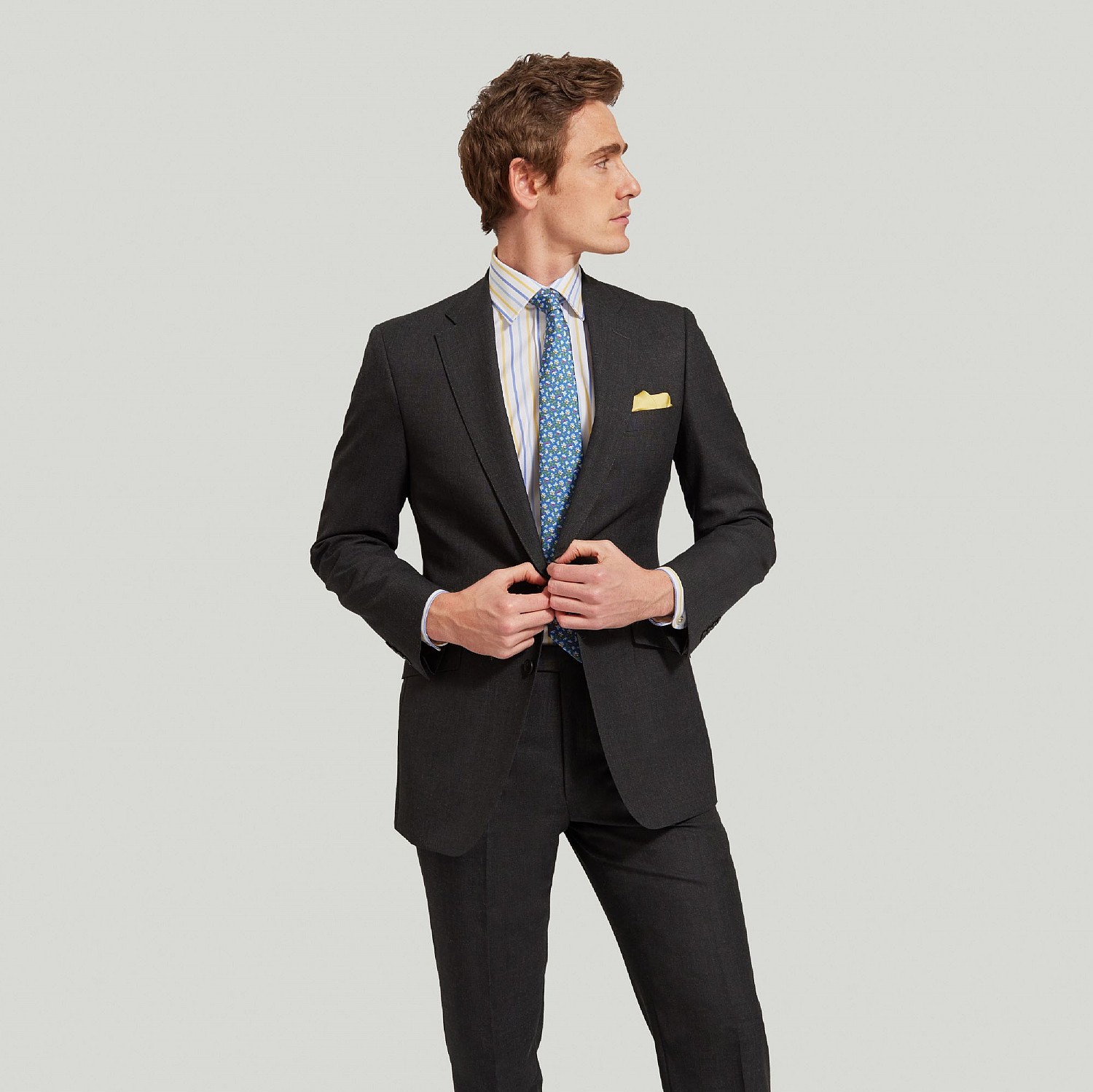
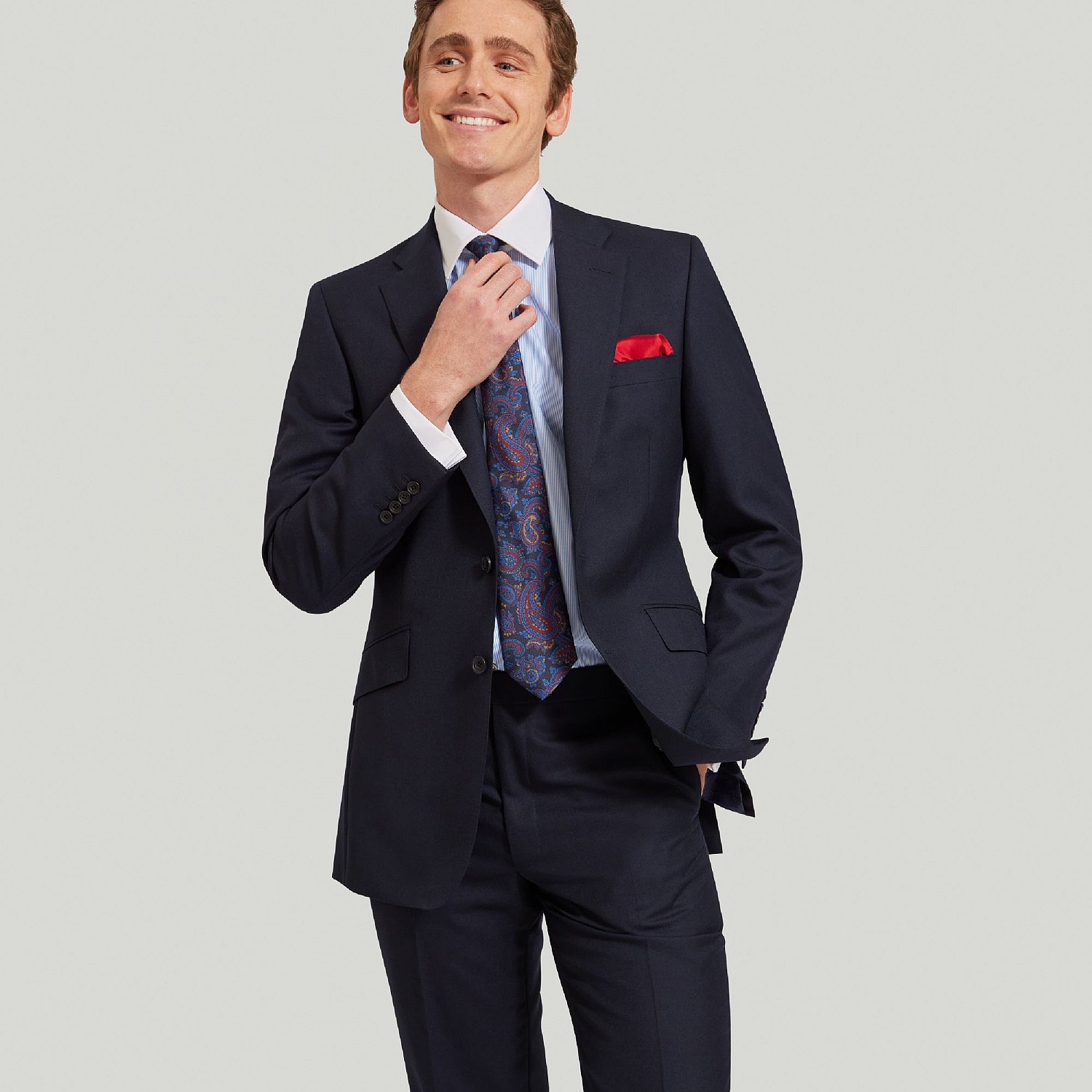
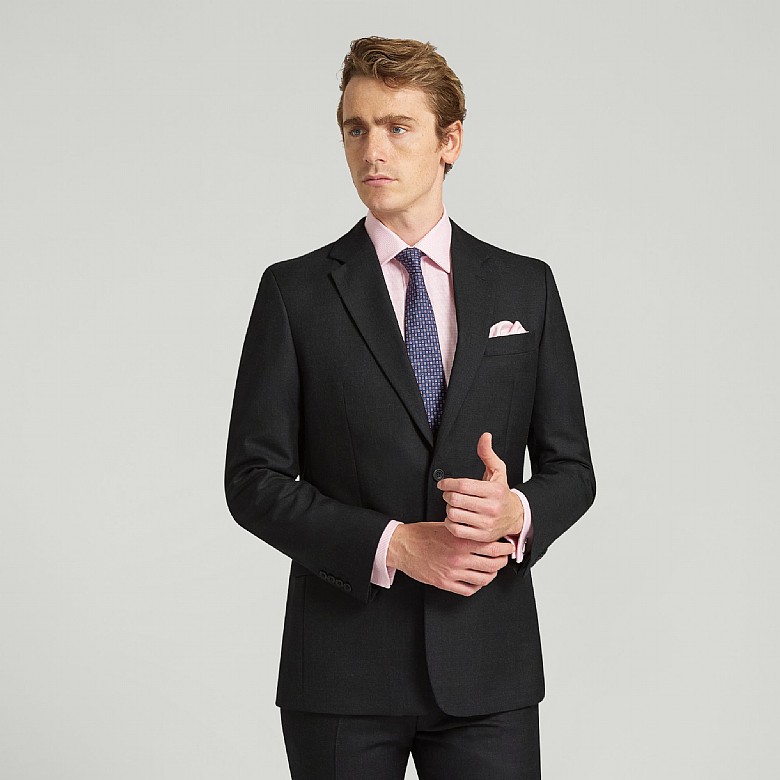
A well-fitting suit should look clean and feel natural. It should sharpen the wearer’s silhouette without feeling restrictive. The best tailoring creates structure while still allowing movement.
Shoulders
The jacket shoulder should sit neatly at the natural shoulder line. If it extends too far, the jacket can look oversized. If it pulls, it may feel restrictive.
Chest
The jacket should fasten comfortably without pulling across the chest or creating strain around the buttons.
Sleeves
Jacket sleeves should allow a small amount of shirt cuff to show. This creates balance and gives a polished formal appearance.
Trousers
Trousers should sit comfortably at the waist and fall cleanly through the leg. The break should suit the formality of the outfit and the wearer’s preference.
Related guide: For more on suiting, read our ultimate guide to British suits on Jermyn Street.
Why a Perfect Fit Matters
Well-fitted garments offer more than aesthetic appeal. They influence comfort, confidence and the longevity of the wardrobe.
Comfort
Clothing that fits well adapts to the wearer’s movement. It should not pull, restrict or require constant adjustment.
Confidence
A tailored garment enhances self-assurance, helping the wearer feel polished, composed and appropriately dressed.
Longevity
Garments made from quality materials and refined through fit often last longer than pieces chosen without consideration.
Versatility
A well-fitting suit, shirt or jacket can be styled across business, weddings, formal events and smart-casual occasions.
Tailoring Today: Bespoke, Made to Measure and Alterations
Modern tailoring offers several ways to improve fit, from fully personal garments to adjustments that refine ready-to-wear clothing.
Bespoke Tailoring
Bespoke tailoring is made from scratch for the individual. It is often seen as the pinnacle of craftsmanship, allowing the greatest level of personalisation.
Made to Measure
Made to Measure uses existing patterns adjusted to individual measurements, offering a balance of convenience, fit and personal choice.
Personal Tailoring
Personal Tailoring helps create garments that feel individual, from cloth selection to fit and finishing details.
Alterations
Alterations refine ready-to-wear garments for improved fit, helping suits, jackets, trousers and shirts sit more naturally.
How to Build a Better-Fitting Wardrobe
A wardrobe built around fit will always look more refined. Start with the garments you wear most often, then build outwards with pieces that suit your lifestyle.
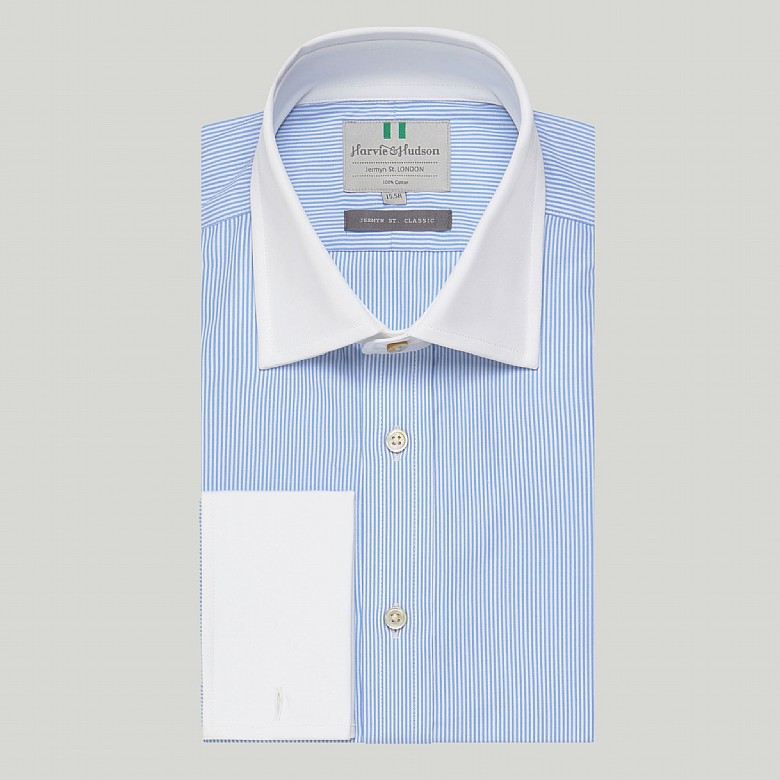
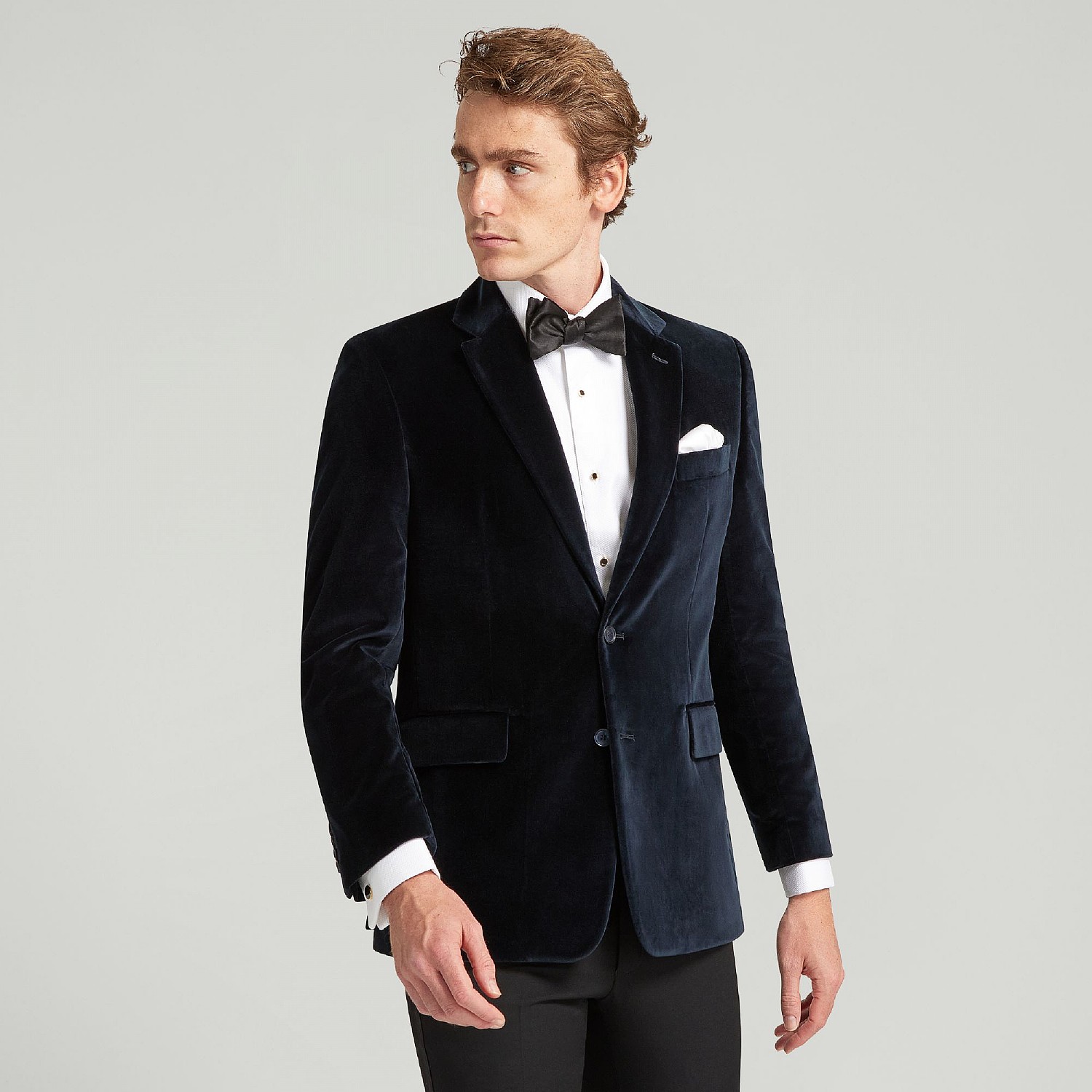
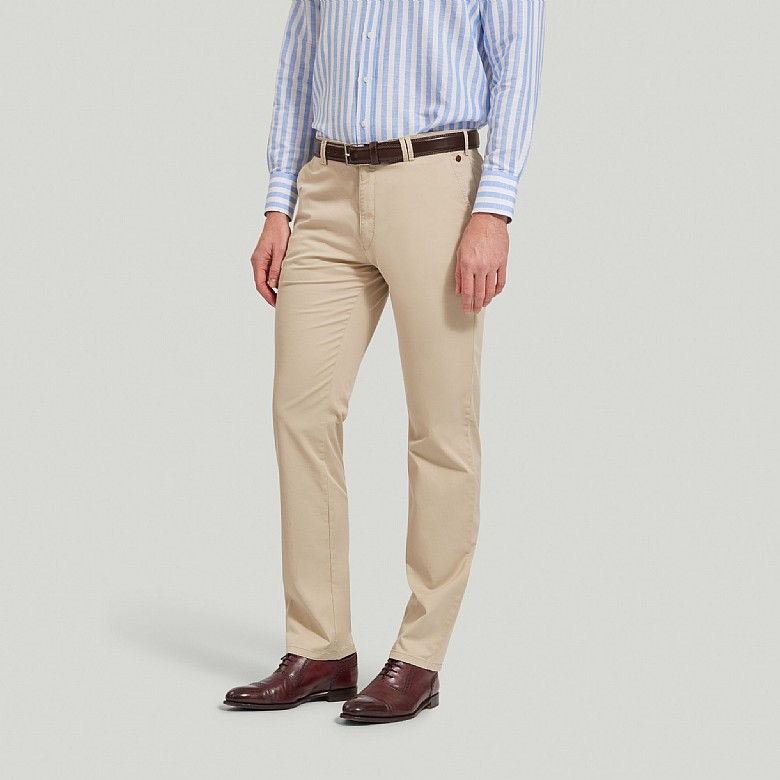
Start with Shirts
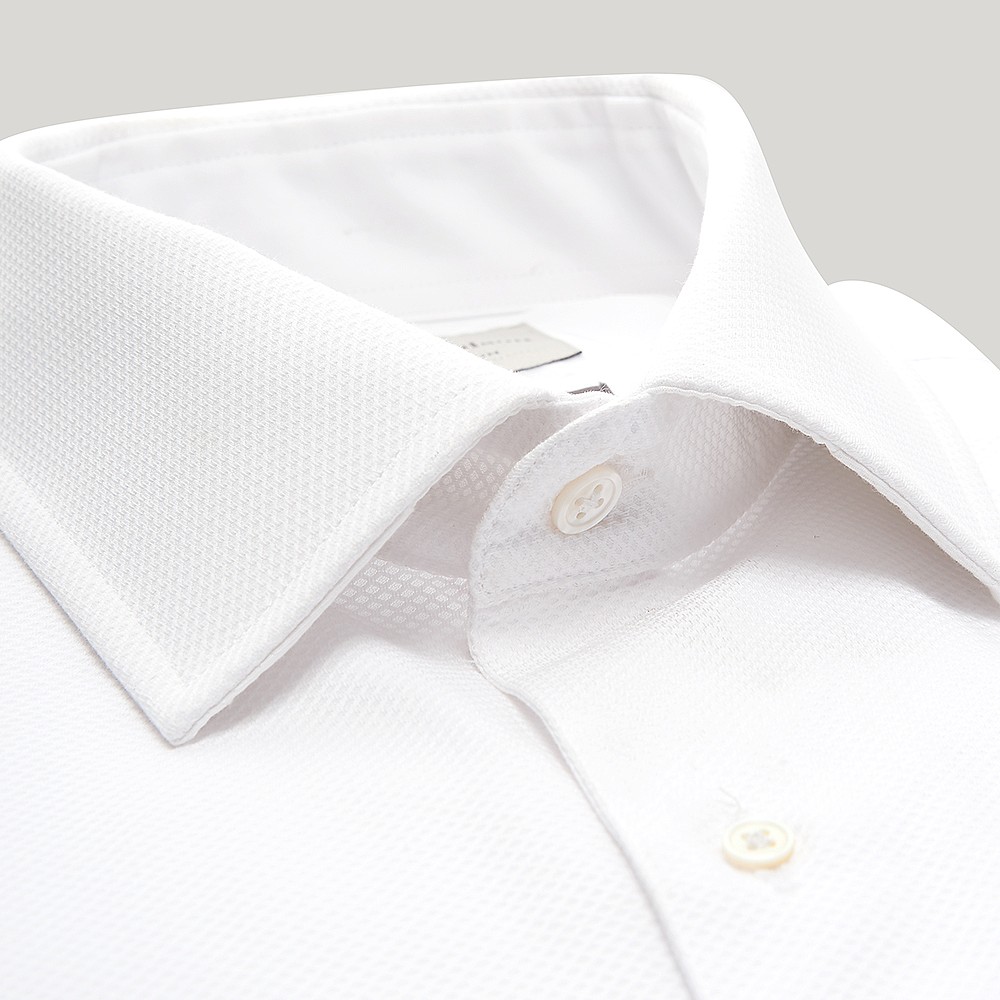
A shirt should sit well at the collar, shoulder and sleeve. Explore our shirt sizing guide for fit advice.
Invest in Suits
A navy or grey suit provides a strong foundation for business, weddings and formal occasions.
Refine Trousers
Well-fitting trousers should sit cleanly at the waist and fall naturally through the leg.
Use Accessories Carefully
Ties, handkerchiefs and cufflinks complete the outfit, but fit remains the foundation.
Common Fit Mistakes to Avoid
- Choosing a jacket that is too large in the shoulders
- Wearing trousers that are too long or too short for the intended style
- Selecting shirts that pull across the chest or feel tight at the collar
- Ignoring sleeve length and shirt cuff visibility
- Choosing comfort through excess fabric rather than correct fit
The right fit should feel comfortable without appearing loose, and structured without feeling restrictive.
FAQs: Tailoring and Perfect Fit
What makes a suit fit perfectly?
A well-fitting suit should sit cleanly at the shoulders, fasten comfortably across the chest, allow movement and create a balanced silhouette through the jacket and trousers.
What is the difference between bespoke and made to measure?
Bespoke garments are made from scratch for the individual, while made-to-measure garments adapt an existing pattern to the wearer’s measurements and preferences.
Why are fitting sessions important?
Fitting sessions allow adjustments to be made to the garment’s shape, balance and comfort, helping it complement the wearer’s body more naturally.
Can ready-to-wear clothing be improved with alterations?
Yes, alterations can improve the fit of ready-to-wear clothing by adjusting areas such as sleeves, trouser length, waist and jacket shaping.
How should a shirt fit under a suit?
A shirt should sit smoothly beneath a suit jacket without pulling at the chest or bunching at the sleeves. A small amount of cuff should show beneath the jacket sleeve.
Further Reading
Discover the Value of a Perfect Fit
Tailoring endures because the perfect fit is about more than measurements. It is about comfort, confidence and enhancing individuality.
Explore Personal Tailoring